ELIGIBILITY

HOW TO ENROLL

Customer Support | (866) 612-3200 | support@exponenthr.com
Members have access to our online benefits enrollment platform 24/7 where you have the ability to enroll, select or change your benefits online during the annual open enrollment period, new hire orientation, and for qualifying events.
- Accessible 24/7;
- View all benefit plan options and your elections;
- View important carrier forms and links;
- Report a qualifying life event; and
- Make changes to beneficiary designations and more.
ENROLLMENT INSTRUCTIONS
- Go to your ExponentHR Portal
- Current Employees: Select Benefits > Open Enrollment
- New Hires: Select Benefits > New Enrollment
- Follow instructions and enroll in your benefits
- Make sure to save a copy of your confirmation statement and enrollment forms.
To get started, click on the link below to head to your enrollment portal!


QUALIFYING LIFE EVENTS
Under certain circumstances, employees may be allowed to make changes to benefit elections during the plan year, if the event affects the employee, spouse, or dependent’s coverage eligibility. Any requested changes must be consistent with and on account of the qualifying event.
Examples Of Qualifying Events:
- Legal marital status (for example, marriage, divorce, legal separation, annulment);
- Number of eligible dependents (for example, birth, death, adoption, placement for adoption);
- Work schedule (for example, full-time, part-time);
- You, your spouse, or other covered dependent become enrolled in Part A, Part B, or Part D of Medicare
- Death of a spouse or child;
- Change in your child’s eligibility for benefits (reaching the age limit);
- Becoming eligible for Medicaid; or
- Your coverage or the coverage of your Spouse or other eligible dependent under a Medicaid plan or state Children’s Health Insurance Program (“CHIP”) is terminated as a result of loss of eligibility and you request coverage under this Plan no later than 60 days after the date the Medicaid or CHIP coverage terminates; or
- You, your spouse or other eligible dependent become eligible for a premium assistance subsidy in this Plan under a Medicaid plan or state CHIP (including any waiver or demonstration project) and you request coverage under this Plan no later than 60 days after the date you are determined to be eligible for such assistance.


A status change from part-time to full-time is not a qualifying event, but it is a change in eligibility that will allow an employee to enroll in insurance.
- Newly eligible employees will have 30 days to enroll in insurance benefits, which will begin on the first day of the month after the employee has completed 60 days of full-time employment.
- Reminder, this means working 30+ hours per week for 60 days.
A status change from full-time to part-time will cause employees to become ineligible for insurance benefits.
- The insurance benefits will end on the last day of the month before the status change becomes effective.
- A termination will also cause an employee to lose their benefit at the end of the month the employment ended.
- Both of these situations will trigger eligibility for continuing coverage under COBRA.


COBRA Customer Service | (888) 382-3510 | www.healthequity.com
The Consolidated Omnibus Budget Reconciliation Act (COBRA) gives workers and their families the right to continue their existing group health plan coverage for a limited period of time when they would otherwise lose their coverage through a voluntary or involuntary job loss, a reduction in work hours, death, divorce, or other events.
The cost for coverage under COBRA is usually higher than the cost for employees under a group plan.
- COBRA participants usually pay 100% of the coverage, plus a 2% administrative fee.
- For employees who choose not to re-enroll in benefits during Open Enrollment, the loss of insurance coverage is not a qualifying event for COBRA.
Cobra Qualifying Events
The following are qualifying events for covered employees if they cause the covered employee to lose coverage:
- Termination of the employee's employment for any reason other than gross misconduct.
- Reduction in the number of hours of employment.
The following are qualifying events for the spouse and dependent child of a covered employee if they cause the spouse or dependent child to lose coverage:
- Termination of the covered employee's employment for any reason other than gross misconduct.
- Reduction in the hours worked by the covered employee.
- Covered employee becomes entitled to Medicare.
- Divorce or legal separation of the spouse from the covered employee.
- Death of the covered employee.
In addition to the above, the following is a qualifying event for a dependent child of a covered employee if it causes the child to lose coverage:
- Loss of dependent child status under the plan rules.
- Under the Patient Protection and Affordable Care Act, plans that offer coverage to children on their parents' plan must make the coverage available until the adult child reaches the age of 26.
MEDICAL

Member Assistance | 1 (800) 826-9781 | www.umr.com
Network: Choice Plus Network
How do I find an In-Network Provider?
- Use the link below or visit your provider’s website at www.UMR.com under “Find a Doctor”, then you can search by provider/facility name or search by specialty.
- When searching for a network provider, please make sure to use the network corresponding to your plan: United HealthCare Choice Plus Network
Did You Know?
- Preventive Services are covered at 100% In-Network and copays & deductibles do not apply.
- You pay less out of pocket if you receive care from an In-Network provider.
- You do not need a referral to see a Specialist.
- Through UMR you also have a hearing benefit as well!
Click the Cost Comparison link below to view the costs for providers in your area!
Download the new UMR app to make it easier to manage your benefits on the go!


You have 3 medical plans to choose from. Compare the different plan options in the chart below!

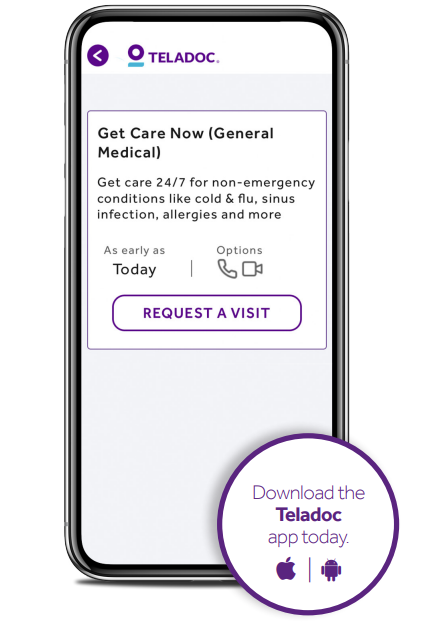
When you need care quick, your first impulse may be to go to an emergency room (ER). But did you know that there are alternative options to treat your immediate care needs that could save you up to $1,800 or more compared to an ER?
Before you wait for hours in the ER, call your primary care provider (PCP) or family doctor. Many doctors offer same-day appointments, but if that’s not possible, you may be able to receive fast, professional care for much less at an urgent care center, convenience care clinic or an online doctor visit

Find a Provider:
- Go to UMR.com and select "Find a Provider"
- Search for the UnitedHealthcare Choice Plus Network using our alphabet navigation or type UnitedHealthcare Choice Plus into the search box
- For medical providers, choose "View Providers". For behavioral health providers (including counseling and substance abuse), select "Behavioral Heatlh Directory"
Summary of Benefits and Coverage (SBC)
Looking for more details about how items are covered? Please refer to the formal Summary of Benefits and Coverage (SBC) below.
Essential Health Insurance Tips
Maximizing Coverage & Avoiding Costs
- Stay in-network to prevent surprise expenses:
- Use the UMR app and website to search doctors and facilities in your area.
- When going to an appointment, have the provider verify and confirm they are a part of the Choice Plus UMR network.
- Be cautious with free-standing ERs—they often appear like urgent care but bill like hospitals.
- Get Prior Authorization for required services (e.g., surgeries, MRIs) to ensure coverage.
- Use the UMR member portal to estimate costs, check provider rates, and review deductibles.
- Compare coverage and copays using UMR tools or visit UMR's website for details.
How to Handle Prior Authorization & Notifications
1. Verify if Prior Authorization is Needed
- Check with your network provider—they usually handle prior authorizations, but you should confirm completion.
- Prior Authorization is complete once the provider has provided all documentation and information to UMR.
- If a Prior Authorization has NOT been approved, please call the prescribing provider and confirm the Prior Authorization and supporting documentation have been provided to UMR.
- If looking for a status on a Prior Authorization, call the customer support number on the back of your ID card and request a status update.
- Timing of Prior Authorizations can vary based on the information provided to UMR from your provider, along with any case notes for consideration. If there is missing information, or treatment is being denied, you can ask your provider to do a peer-to-peer review with UMR for reconsideration.
2. Find More Information
- Use the UMR online tools or call the number on the back of your plan ID card to confirm specific authorization requirements.
- Following these steps can help you avoid unexpected costs and ensure smooth medical coverage.
For a full list of services requiring Prior Authorization, visit UMR or check the contact number on the back of your plan ID card.
Verify if Your Billing is Correct
- After you receive a bill from your provider, compare the bill to your Explanation of Benefits (EOB) to make sure it is correct.
- If something seems incorrect, reach out to your provider for an explanation of the billed charges.
- You can also call the UMR customer service number on the back of your ID card for an explanation of the charged services.
*TIP: Before going to the doctor for an appointment or treatment, request an estimation of cost for the requested services. *
VIRTUAL CARE


Learn More About Your Benefits



Introducing One Pass Select™, a single membership that gives you access to a nationwide network of fitness locations. No matter what your fitness goals are, One Pass Select is designed with flexibility in mind to help meet your needs.
These unique benefits also include:
- Upgrade or cancel your monthly membership at any time
- Monthly memberships from $10 to $144.
- Add unlimited members over 18 years of age to your membership with a 10% discount
- Free food and home delivery on orders that meet the minimum qualifying amount to help encourage healthier habits.


With the CARE app, powered by Vivify Health, you’ll experience an integrated health care solution that blends technology with personal connections.
With the CARE app, there is something for everyone
For all members: We help maintain your health with ongoing wellness and health tips and provide access to educational materials and tools to help address any health concerns.
With our CARE programs, our CARE nurses are able to extend their communication with members via the CARE app to provide support.
When working with a CARE nurse: We provide a clinical, hands-on, heightened level of oversight with optional device integration and virtual visits.


HEALTH SAVINGS ACCOUNT (HSA)

How does and HSA work?
- A Health Savings Account (HSA) is a tax-advantaged personal savings account that can be used to pay for medical, dental, vision and other qualified expenses now or later in life. To contribute to an HSA, you must be enrolled in a qualified high-deductible health plan (HDHP) and your contributions are limited annually.
- Your employer deducts per pay-period the amount you elect on a tax-free basis. You can also contribute post-tax contributions (up to the maximum allowed) and recognize the same tax savings by claiming the deduction when filing your annual taxes.
- Eligible healthcare purchases can be made tax-free when you use your HSA. Purchases can be made directly from your HSA account, either by using your debit card, online bill-pay, or check – or you can pay out-of-pocket and then reimburse yourself from your HSA.
- The interest on HSA funds grows on a tax-free basis. And, unlike most savings accounts, interest earned on an HSA is not considered taxable income when the funds are used for eligible medical expenses.
Maximum Annual Contributions:
- For 2025, individuals under a high deductible health plan (HDHP) have an HSA annual contribution limit of $4,300. The HSA contribution limit for family coverage is $8,550. The money is placed in your account via payroll deduction, online banking transfer, or a direct contribution. Once your account is funded, you can choose to use the money to pay for current healthcare expenses or keep the funds in your account and watch your savings grow. If you are 55 or over, you have the option to contribute an additional $1,000 annually.
How do I use my HSA to pay for healthcare expenses?
- You can use your HSA Debit Card to pay your providers for eligible healthcare expenses or pay with your personal funds and withdraw funds from your HSA to reimburse yourself for the expenses.
Click on the links below to learn more about your HSA Account!
PHARMACY

Member Assistance | 1 (800) 356-3477 | www.optumrx.com
Cody Pools has selected OptumRx as your backend claims manager, giving you access to one of the largest national pharmacy networks. OptumRx’s web portal and app will help you manage your medications anywhere, anytime, search for the nearest retail pharmacy, and check drug interactions
A Formulary Drug List specifies which drugs are covered under your prescription drug benefit. How much you pay out of pocket is determined by whether your drug is on the list and at what coverage level, or tier. A generic drug is often at the lower tier. See if your drug is covered by reviewing your formulary drug list using the link below.
Sign-Up for Mail Order Pharmacy:
- Get up to a three-month supply of your maintenance medication(s) delivered safely and reliably right to your door. Save time and money!
ID Cards:
- Your permanent ID card(s) will be distributed to you shortly by your medical vendor. If you need to fill a prescription before your card(s) arrives, simply provide all of the information on the card below to the pharmacy to process your request.
If there are any questions regarding prescription coverage, please contact RxBenefits Member Services team at (800)-334-8134 available Monday - Friday from 7 am to 8 pm CT or by emailing them at CustomerCare@rxbenefits.com.


inquiries@rxmanage.com | 1 (800) 883-8841
What is RxManage?
RxManage is a program that allows you to order medications from international pharmacies for as little as $0! There are over 100 covered medications that will be delivered to your door in only 10-15 days after they are shipped.
How does RxManage work?
To order from RxManage, first check the formulary list linked below to see if your medication is covered, then use the QR code shown on the flyer linked below or call the number above to place your order.

CustomerCare@rxbenefits.com | 1 (800) 334-8134
The Copay Assistance for Specialty Medication program, provided by RxBenefits through AmWINS and SaveOnSP, helps qualified members get certain specialty medications with funding from the drug manufacturers, reducing your cost for those medications. This is how the program works:
- Prescription Review: An RxBenefits clinical pharmacist reviews new specialty prescriptions to ensure the medication qualifies for the program.
- Member Engagement: If the medication qualifies, a specialist will contact you by phone or email to help you apply for financial assistance from the drug manufacturer.
- Participation: If financial assistance from the manufacturer is available, the medication will be at no cost to you, shipped directly from the manufacturer, not your regular pharmacy.
Note that the prescription review process is automatic and in the background. You will ONLY be contacted if your specialty medication qualifies.

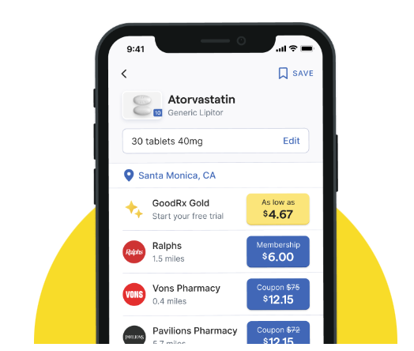
Save up to 80% on your prescriptions with the free GoodRx Mobile App!
How does GoodRx work?
- Prescription drug prices are not regulated. The cost of a prescription may differ by more than $100 between pharmacies across the street from each other! GoodRx gathers current prices and discounts to help you find the lowest cost pharmacy for your prescriptions
How do I find discounts for my drug?
- It’s easy. Just visit www.goodrx.com, type in your drug’s name in the search field, and click the “Find the Lowest Price” button.
What are GoodRx coupons?
- GoodRx coupons will help you pay less than the cash price for your prescription. They’re free to use and are accepted at virtually every U.S. pharmacy.
- Your pharmacist will know how to enter the codes on the coupon to pull up the lowest discount available.
TIPS & TRICKS
Essential Pharmacy Insurance Tips
Getting Started
- Register as a member at OptumRx.com.
- Understand your plan and coverage—medication costs depend on their tier, with higher-tier medications typically costing more.
Ways to Save on Prescriptions
- Be a consumer- not all pharmacies charge the same price for the same drug. Shop pharmacies in your area to find the lowest cost.
- Use mail-order pharmacy—it's more convenient than retail and can save you money if enrolled in the Copay Plan.
- Ask for generic medications—they're just as effective as brand-name drugs but usually much cheaper.
- Explore international sourcing—RxManage lets you order medications from international pharmacies for as little as $0!
- Pay attention to notifications— the Patient Assistance Program through RxBenefits may contact you about copay assistance for specialty medications.
- Use GoodRx to find lower-cost prescription options. GoodRx coupons DO NOT go towards your out-of-pocket maximum.
- Search online for manufacturer coupons or programs may be available. Find them on the manufacturer's website.


HEALTH SAVINGS ACCOUNT (HSA)

PNC Bank Customer Service | (866) 451-3399 | https://www.pnc.com
A Health Savings Account (HSA) is a tax-advantaged personal savings account that can be used to pay for medical, dental, vision and other qualified expenses now or later in life. To contribute to an HSA, you must be enrolled in the HDHP 3500 Plan and your contributions are limited annually.
Marbridge Foundation contributes $50 to your HSA on a monthly basis.
How It Works
- For 2026, Participants can make an annual election of up to $4,400 for self only HDHP coverage or $8,750 for family High Deductible Health Plan (HDHP) medical coverage.
- Your employer deducts per pay-period the amount you elect on a tax-free basis. You can also contribute post-tax contributions (up to the maximum allowed) and recognize the same tax savings by claiming the deduction when filing your annual taxes.
- Eligible healthcare purchases can be made tax-free when you use your HSA. Purchases can be made directly from your HSA account, either by using your debit card, online bill-pay, or check – or you can pay out-of-pocket and then reimburse yourself from your HSA.
- The interest on HSA funds grows on a tax-free basis, and interest earned on an HSA is not considered taxable income when the funds are used for eligible medical expenses.

Why Participate? HSAs save you money!
- The contributions you make to an HSA are deducted from your paycheck on a pre-tax basis – before federal income, social security, and most state taxes.
- The end results of your HSA contributions is a lower taxable income, and a tax advantaged vehicle to pay for out-of-pocket healthcare expenses and prepare for your healthcare costs in retirement.
- While your funds can be used to pay for immediate healthcare expenses tax-free, you can also save the money for healthcare expenses later in life.
- You can continue to contribute year after year and withdrawals (provided you are enrolled in an HDHP) can be made at any point in time.
- Whether you withdraw the money tomorrow, five years from now, or in retirement, funds used for qualified healthcare expenses are always tax-free.
Who's Covered?
- An HSA covers qualified out-of-pocket expenses for you, your spouse, your tax dependents, even if they are not covered under an HDHP.
DENTAL

Guardian Customer Service | (888) 482-7342 | www.guardianlife.com
Network: DentalGuard Preferred
How do I find an In-Network Dentist?
- Use the link below or visit your provider’s website at www.guardianlife.com where you can search by location, provider/facility name, or search by specialty.
Did You Know?
- You have the freedom to select the dentist of your choice; however, when you visit a participating in-network dentist, you will have lower out-of-pocket costs, no balance billing, and claims will be submitted by your dentist on your behalf.
- Research shows there may be a link between oral health and illnesses like heart disease, stroke, diabetes and premature birth.
Pre-treatment Estimate
- If your dental care is extensive and you want to plan ahead for the cost, you can ask your dentist to submit a pre-treatment estimate. While it is not a guarantee of payment, a pre-treatment estimate can help you predict your out-of-pocket costs.
Looking for more details about how items are covered? Click on the link below to view the formal Benefit Summaries.


VISION

Guardian Customer Service | (888) 482-7342 | www.guardianlife.com
VSP Vision Customer Service | (800) 877-7195 | www.vsp.com
Network: VSP Choice
How do I find an In-Network Provider?
- Use the link below or visit your provider’s website at www.vsp.com where you can search by location, provider/facility name, or search by specialty.
Did You Know?
- Eyes can give doctors a clear picture of overall wellness. That’s why vision care—and vision benefits—can help employees stay healthy. A comprehensive eye exam can detect early signs of serious health problems, such as diabetes, heart disease, high blood pressure, high cholesterol, glaucoma and cataracts.
Save More Money!
VSP members have access to over $3,000 in savings with Exclusive Member Extras. It's easy to save! See how your savings can add up:
- Receive $1,000 off your LASIK procedure
- Save up to $300 or more on your annual supply of contacts
- Save thousands on hearing aids
- Save big with discounts on travel and entertainment throughout the year for you and your whole family
Looking for more details about how items are covered? Click on the link below to view the formal Benefit Summary.

SURVIVOR BENEFITS
Guardian Customer Service | (888) 482-7342 | www.guardianlife.com
Basic Life and Accidental Death & Dismemberment (AD&D)
Life insurance is an important part of your financial security as it helps protect your family from financial risk and sudden loss of income in the event of your death. AD&D (Accidental Death & Dismemberment) insurance is equal to your Life benefit in the event of your death being a result of an accident, and may pay benefits for particular injuries sustained.
Basic Life / AD&D insurance is a company paid benefit, provided to you at no cost. The plan pays a flat benefit of $15,000. Keep in mind, your life insurance benefit amount will reduce to 66% of the original amount at age 65 and to 45% of the original amount at age 70. See your plan summary below for more details.
Make sure to update your beneficiary information!

Voluntary Life and AD&D
In addition to your employer provided Basic Life insurance coverage, you have the opportunity to enroll in Voluntary Life and AD&D Insurance. Coverage is also available for your spouse and/or child dependents, however, It is required that you elect coverage for yourself in order to elect coverage for your dependents.
If you have previously elected Voluntary Life but are under the Guarantee Issue (GI) amount, you may increase your amount up to the Guarantee Issue (GI) without Evidence of Insurability (EOI) at Open Enrollment. If you previously waived Voluntary Life you will need to submit Evidence of Insurability (EOI).
How does it work?
- You choose the amount of coverage that’s right for you, and you keep coverage for a set period of time, or “term.” If you die during that term, the money can help your family pay for basic living expenses, final arrangements, tuition and more. AD&D Insurance is also available, which pays a benefit if you survive an accident but have certain serious injuries. It pays an additional amount if you die from a covered accident.
Who can get Voluntary Term Life Coverage?
- Employee: Choose from $10,000 to $500,000 in $10,000 increments. You can get up to $130,000. This is the amount of coverage you can qualify for with no medical underwriting.
- Spouse: Get up to $250,000 of coverage in $5,000 increments. Spouse coverage cannot exceed 50% of the coverage amount you purchase for yourself. Your spouse can get up to $50,000 with no medical underwriting, if eligible.
- Children: Select $1,000, $5,000, or $10,000 benefits. One policy covers all of your children until their 26th birthday.
Guaranteed Issue (GI) and Evidence of Insurability (EOI)
- When you are first eligible (at hire) for Voluntary Life and AD&D, you may purchase up to the Guaranteed Issue (GI) for yourself and your spouse without providing proof of good health (EOI).
- Any amount elected over the GI will require EOI. If you elect optional life coverage and are required to complete an EOI, it is your responsibility to complete the EOI and send to the provider. In addition, your spouse will need to provide EOI to be eligible for coverage amounts over GI, or if coverage is requested at a later date.
Life insurance portability and conversion options are features that allow policyholders to maintain some level of insurance coverage when they might otherwise lose it or wish to change the type of coverage they have.
Portability
- Refers to the ability of an individual to transfer their group life insurance coverage from one employer to another or from a group policy to an individual policy without undergoing new underwriting or providing evidence of insurability.
- This is commonly associated with group term life insurance provided by employers. If you (the employee) leave your job or retire, you may not want to lose your life insurance coverage, especially if there are ongoing health issues. Advantages of porting coverage are that it allows continuity of coverage and there is no need for medical examination or evidence of insurability.
- The application and check for the initial premium must be received within 31 days after Life Insurance terminates or 15 days from the date the Employer signs the application; whichever is later.
Conversion
- The Conversion option allow you to convert your term life insurance policy into permanent (e.g., whole life or universal life) insurance policy without providing evidence of insurability or undergoing new underwriting. Transitions from term to permanent coverage without having to do a new medical exam.
- This option is considered when an individual has ongoing health issues or may be unable to qualify for a new policy.
- An Insured Employee and Dependent(s) may convert Group Voluntary Life Insurance coverage, without evidence of insurability, to an Individual Life Insurance policy during the 31 day period following termination of employment.
How do I port or convert my coverage?
- Contact your employer’s HR department for the applicable portability and/or conversion forms. You can also call your carrier customer service at (888) 482-7342 or access the forms here.
It's essential for policyholders to consider the options available to you and request conversion or portability timely, within 30 days of your benefits termination. You will submit the request for conversion or portability directly to the insurance carrier and will set up direct payment for your new individual policy.
INCOME PROTECTION
Guardian Customer Service | (888) 482-7342 | www.guardianlife.com
Voluntary Short-Term Disability
Everyday illnesses or injuries can interfere with your ability to work. Even a few weeks away from work can make it difficult to manage household costs. This employee-paid Short Term Disability coverage provides financial protection for you by paying a portion of your income, so you can focus on getting better and worry less about keeping up with your bills.
- Elimination Period - Benefits begin on the 1st day of injury and 8th day of an illness.
- Benefit Duration - Payments may last up to 13 weeks (You must be sick or disabled for the duration of the waiting period before you can receive a benefit payment).
- Coverage Amount - Covers up to a maximum benefit of $1,000 per week.
- 3/12 Pre-existing Condition: If you have a medical condition that begins before your coverage takes effect, and you receive treatment for this condition within the three months leading up to your coverage start date, you may not be eligible for benefits for that condition until you have been covered by the plan for 12 months.
What does this mean to you?
- If you are out of work for 7 days due to an illness or accident, you can begin receiving disability benefits on day 8. This is a cash benefit of 60% of your weekly salary to a max of $1,000 when you are out of work. You are able to receive this benefit for up to 12 weeks. A partial cash benefit is available if you can only do part of your job or work part-time.
Guardian Customer Service | (888) 482-7342 | www.guardianlife.com
Long-Term Disability
This employer-paid coverage pays a monthly benefit if you have a covered illness or injury and you can't work for a few months - or even longer! You're generally considered disabled if you're unable to do important parts of your job - and your income suffers as a result. This benefit is provided to you at no cost!
- Elimination Period- Benefits begin on the 91st day of an injury or illness.
- Benefit Duration - Payments may last up to Social Security Normal Retirement Age (SSNRA) (You must be sick or disabled for the duration of the waiting period before you can receive a benefit payment).
- Coverage Amount - Covers 50% of your monthly income, up to a maximum benefit of $6,000 per month.
- 3/12 Pre-existing Condition: If you have a medical condition that begins before your coverage takes effect, and you receive treatment for this condition within the three months leading up to your coverage start date, you may not be eligible for benefits for that condition until you have been covered by the plan for 12 months.
What does this mean to you?
- If you are still unable to work after your Short Term benefit expires, you will have the opportunity to receive a Long Term Disability cash benefit. Starting on the 90th day you are out of work due to an illness or injury, you will receive 60% of your monthly salary to a max of $6,000. You are able to receive these benefits for as long as you remain disabled or reach Social Security Normal Retirement Age (SSNRA).
REIMBURSEMENT
Accident Insurance
A serious injury can cost you a lot of money – not only in medical bills but in things like income from lost work hours. Accident insurance is a robust shield against the unpredictable, safeguarding you against the financial fallout of unforeseen injuries. It pays a set benefit amount based on the type of injury you have and the type of treatment you need, ensuring that whether you face minor bruises or major medical emergencies, you're covered. Here's what accident insurance typically covers:
- Comprehensive Coverage: From fractures and dislocations to burns and concussions, accident insurance has you covered for a wide range of injuries.
- Medical Expenses: It helps offset expenses related to ambulance rides, hospital admissions, surgeries, therapy, and other necessary treatments.
- Income Protection: Should an injury result in lost work hours, accident insurance provides a financial safety net to help bridge the gap until you're back on your feet.
With accident insurance in your corner, you can face life's uncertainties with confidence, knowing that you're financially protected against the unexpected. However, it's important to note that accident insurance typically excludes coverage for routine check-ups or hospitalization due to illness. Additionally, injuries sustained prior to purchasing the accident insurance plan are not covered. For a detailed breakdown of benefits and coverage, refer to the plan summary provided below.
Critical Illness Insurance
Facing a critical illness can bring not only physical strain but also financial burdens due to medical expenses and potential loss of income. Critical illness insurance serves as a robust safety net in such challenging times, offering financial protection against the unforeseen. In the event of a critical illness diagnosis, this insurance provides a lump-sum payment to the insured individual, enabling them to cover various expenses, including medical treatments, mortgage payments, and daily living expenses. Here's what critical illness insurance typically covers:
- Coverage for Various Conditions: Critical illness insurance typically covers a wide range of serious medical conditions, including cancer, heart attacks, strokes, organ transplants, and more. Visit your plan summary below to learn how different illnesses are covered.
- Financial Assistance: The policy provides a lump-sum payment upon diagnosis of a covered critical illness, allowing individuals to use the funds as needed for medical expenses, household bills, or other financial obligations.
- Flexibility and Peace of Mind: With critical illness insurance, employees gain peace of mind knowing they have financial protection in place, regardless of the specific illness they may face. This flexibility ensures that they can focus on their health and well-being without worrying about the financial consequences of a critical illness.
While critical illness insurance provides invaluable protection against serious medical conditions, it's essential to note that the plan typically excludes pre-existing conditions diagnosed before the policy's effective date, as well as certain illnesses not specified in the plan. Additionally, routine check-ups and hospitalization due to non-critical illnesses are typically not covered. For a comprehensive understanding of the benefits and limitations of your specific plan, be sure to review the plan summary provided below.
EMPLOYEE ASSISTANCE PROGRAM (EAP)

Support and guidance for you online or by phone
Guardian’s Employee Assistance Program gives you and your family members access to confidential personal support, across everything from stress management and nutrition to handling legal or financial issues. The services available include consultations with experienced professionals, as well as access to resources and discounts designed to help you in a variety of different ways.
- You have unlimited access to support and helpful resources on our website, and you can consult with a professional counselor via telephone.
- Face-to-face counseling sessions with an Uprise Health network provider — and up to three sessions are free of charge as part of WorkLifeMatters.
- Free initial 30-minute consultation with an attorney, with a 25% discount on attorney services thereafter.
- Unlimited telephonic support for financial problems or planning needs, and referral for face-to-face for more complex issues are provided for a fee.

Connect to a counselor for free support services: (800) 386-7055 (Available 24/7/365) Visit worklife.uprisehealth.com (Access Code: worklife)


MENTAL HEALTH: ADDITIONAL RESOURCES
Call 911 if you or someone you know is in immediate danger or go to the nearest emergency room.
988 Suicide & Crisis Lifeline
- Dial 988 to be connected with 24/7/365 emotional support.
- Free, confidential crisis counseling, including appropriate follow-up services, is available no matter where you live in the United States.
War Vet Call Center
- Veterans and their families call 877-WAR-VETS (877-927-8387) to talk about their military experience and/or readjustment to civilian life.
MEDICARE ELIGIBLITY
Medicare eligibility is a critical aspect of healthcare planning, particularly for individuals nearing age 65 or those with qualifying disabilities. Here are the key points to keep in mind:
- **Age 65 or Qualifying Disability**: Most individuals become eligible for Medicare at age 65, while those with certain disabilities or medical conditions may qualify earlier.
- **Comprehensive Coverage**: Medicare provides coverage for hospital stays, medical services, prescription drugs, and preventive care, offering essential healthcare benefits.
- **Enrollment Periods**: It's important to understand the various enrollment periods for Medicare, including the initial enrollment period, special enrollment periods, and annual open enrollment periods for making changes to coverage.
- **Supplemental Coverage Options**: Many individuals choose to supplement their Medicare coverage with additional plans, such as Medicare Advantage (Part C) or Medicare Supplement Insurance (Medigap), to enhance benefits and fill gaps in coverage.
As you navigate your benefit elections, be sure to consider your Medicare eligibility and options alongside your employer-provided benefits. Understanding your Medicare coverage can help ensure comprehensive healthcare coverage that meets your needs as you transition into retirement.
- Premium: The amount paid for insurance coverage deducted from your paycheck on a per-pay-period basis.
- Deductible: The amount you must pay out of pocket for covered services before your insurance plan starts to pay.
- Copayment (Copay): A fixed amount you pay for covered services at the time of service, usually for doctor visits or prescription drugs.
- Coinsurance: The percentage of costs you pay for covered services after you've met your deductible.
- Out-of-Pocket Maximum: The maximum amount you'll have to pay for covered services in a plan year, after which your insurance plan pays 100% of covered costs.
- Network: The group of doctors, hospitals, and other healthcare providers contracted with an insurance company to provide services at discounted rates to plan members.
- Preventive Care: Healthcare services aimed at preventing illness or detecting health conditions early when treatment is most effective, often covered at no cost under insurance plans.
- Benefit: The healthcare services or items covered by an insurance plan.
- Preauthorization: The process of obtaining approval from your insurance company before receiving certain medical services or treatments.
- In-Network: Healthcare providers or facilities that have contracted with your insurance company to provide services at lower costs to plan members.
- Exclusion: Specific healthcare services or conditions that are not covered by an insurance plan.
- Lifetime Maximum: The maximum amount of money that an insurance plan will pay for covered services over the entire life of the policy.
- Grace Period: A specified period after the premium due date during which coverage remains in force even though the premium has not been paid.
- Coordination of Benefits (COB): A process used when an individual is covered under more than one health insurance plan to determine which plan pays first and how much each plan will pay.
- Explanation of Benefits (EOB): A statement sent by the insurance company to the insured individual explaining what medical treatments and/or services were paid for on their behalf.
Why go to an In-network provider?
- Going to an in-network provider means choosing a healthcare professional or facility that has a contract with your health insurance plan. In-network providers have agreed to offer their services at negotiated rates, which are often lower than what you would pay for out-of-network care. By visiting an in-network provider, you can take advantage of your health insurance plan's benefits, which may include lower copayments, coinsurance, and reduced out-of-pocket expenses.
Why should I go for my annual well checkup?
- Annual well checkups are essential for maintaining good health and preventing potential health issues. These visits allow your doctor to assess your overall health, monitor any chronic conditions you might have, and detect early signs of potential health problems. Regular checkups help identify health concerns before they become serious, ensuring timely intervention and a better chance for successful treatment.
What is the difference between generic and brand name drugs?
- Generic drugs are identical or bioequivalent to brand-name drugs in terms of active ingredients, safety, strength, dosage form, and intended use. The main difference is that generic drugs are usually more affordable because they don't have the research and development costs associated with brand-name drugs. The U.S. Food and Drug Administration (FDA) ensures that generic drugs meet the same rigorous standards for quality, safety, and effectiveness as their brand-name counterparts.
How do discount cards work on RX?
- Prescription discount cards provide discounts on medications at participating pharmacies. These cards are often available for free or at a low cost and can be used by individuals without insurance or those with high copayments. When you present the discount card at the pharmacy, it reduces the price of the medication, potentially leading to significant cost savings.
What happens if I go out of network?
- If you go out of network for healthcare services, it means you're seeing a provider or using a facility that doesn't have a contract with your health insurance plan. Out-of-network care typically results in higher out-of-pocket costs, including higher copayments, coinsurance, and potentially higher deductibles. Some health insurance plans may not cover out-of-network care at all, except in emergencies.
What is a SBC (Summary of Benefits and Coverage)?
- A Summary of Benefits and Coverage (SBC) is a document provided by health insurance companies to help individuals understand their health plan's key features and coverage details. It provides a summary of the plan's benefits, costs, coverage limits, and examples of common medical scenarios to help individuals compare different health insurance options and make informed decisions.
What is an EOB (Explanation of Benefits)?
- An Explanation of Benefits (EOB) is a statement sent by the health insurance company to the policyholder after a healthcare claim has been processed. The EOB provides a detailed explanation of the services provided, the amount billed by the healthcare provider, the amount covered by the insurance, and any remaining balance that the insured may be responsible for paying.
What should I ask my doctor?
- When visiting your doctor, consider asking questions related to your health condition, treatment options, medications, potential side effects, and any lifestyle changes you should make. You can also inquire about preventive measures, recommended screenings, and follow-up care. Don't hesitate to ask for clarification if there's anything you don't understand.
What is preventive care?
- Preventive care refers to healthcare services aimed at preventing or detecting health issues before they become more severe or chronic. Examples of preventive care include vaccinations, screenings (e.g., mammograms, colonoscopies), regular checkups, counseling on healthy behaviors, and interventions to manage risk factors.
Where can I get my ID card?
- You can typically get your health insurance ID card from your insurance provider. Many insurers offer electronic versions of the ID card through their mobile apps or member portals. Alternatively, you can request a physical ID card to be mailed to you.
Who do I contact if I have a QLE (Qualifying Life Event)?
- If you experience a Qualifying Life Event (QLE), such as marriage, birth/adoption of a child, divorce, loss of other health coverage, or a change in household income, you should contact your employer's HR department or your health insurance provider promptly. They can guide you through the process of updating your health insurance coverage or enrolling in a new plan if necessary.