
Welcome to your Virtual Benefits Center.
This site was designed to be a centralized resource for you to learn about your benefit offerings during open enrollment and throughout the year. Here, you can find plan information, enrollment details, and tools to help you choose the right coverage for you and your family.

Plan Year
November 1, 2026 - October 31, 2027

What is Open Enrollment?
Open Enrollment is the one time of year that you are able to enroll in or modify your employee benefits for the upcoming plan year. Elections you make at this time will remain in effect until the next Open Enrollment period, unless you have a Qualifying Life Event that allows for a plan change.
What is a Qualifying Life Event?
A Qualifying Life Event (such as marriage, divorce, birth/adoption of a child, or loss of eligibility under another plan) allows you to make plan changes outside of Open Enrollment. If you experience this type of event during the year, you may modify your benefits within 30 days by notifying HR as soon as possible. Learn more.

Who is eligible for benefits?
Regular full-time employees and employees working 30 hours per week or more are eligible to participate in the benefit plans.

Who are my legal dependents?
- Your legal spouse
- Your children (up to age 26) including natural, step, legally adopted/placed for adoption, and children for whom you serve as legal guardian
- Disabled dependent children (any age)

When does my coverage start?
Your coverage becomes effective on the 1st of the month following your date of hire.
How to Enroll


Benefit enrollment is managed through Rippling. Compare plans, see costs, and make your benefit selections - all from desktop or mobile.
New hires and current employees will receive an email invitation from Rippling to complete enrollment.
Your Benefit Options

 Medical | Cigna
 Dental | Cigna/Guardian
 Vision | Guardian
 HSA/FSA
 Life and AD&D | Guardian
 Short-Term Disability | Guardian
 Long-Term Disability | Guardian
 Cyber Security | Norton LifeLock
 Supplemental Coverage | Aflac

Understanding Your Benefits



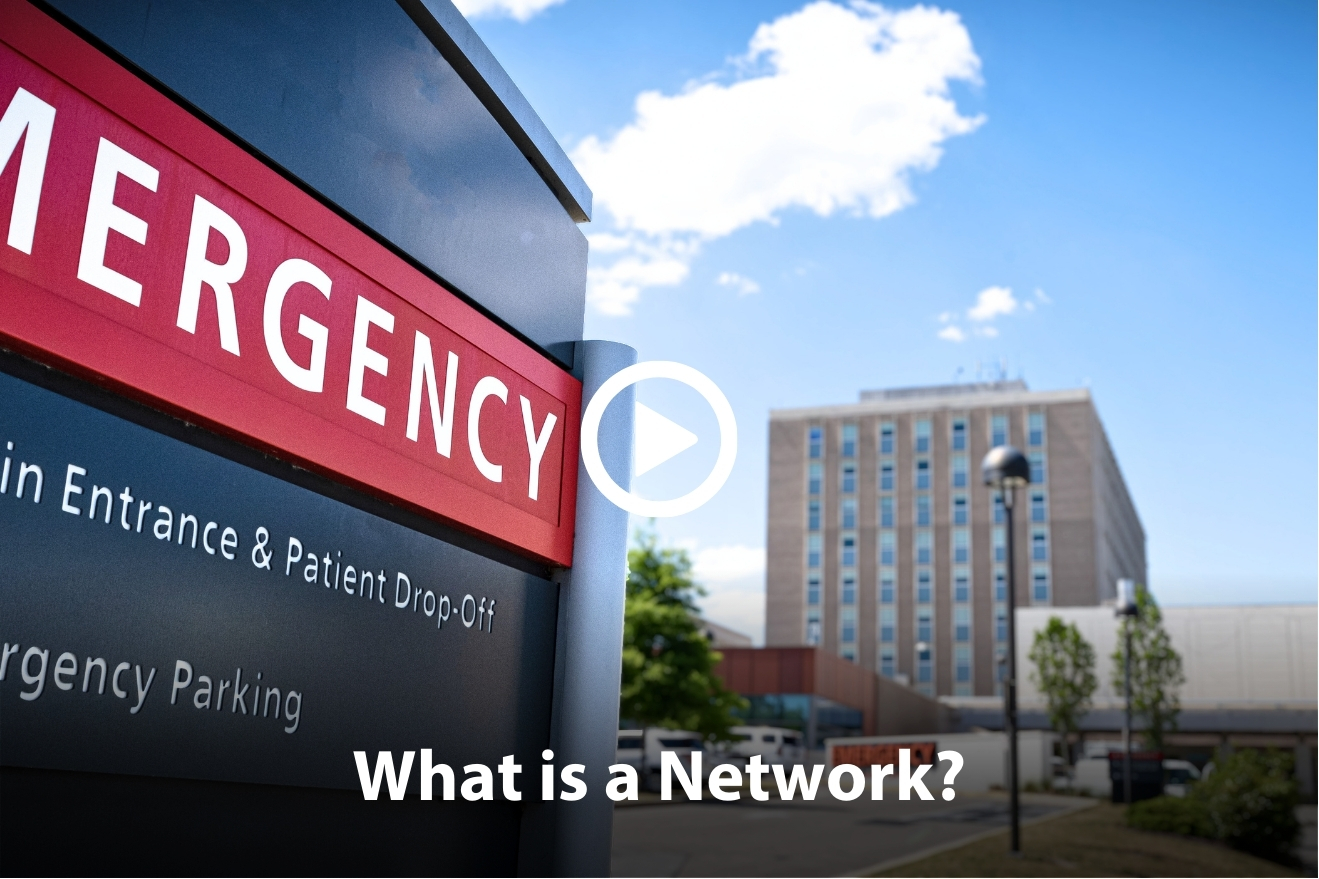
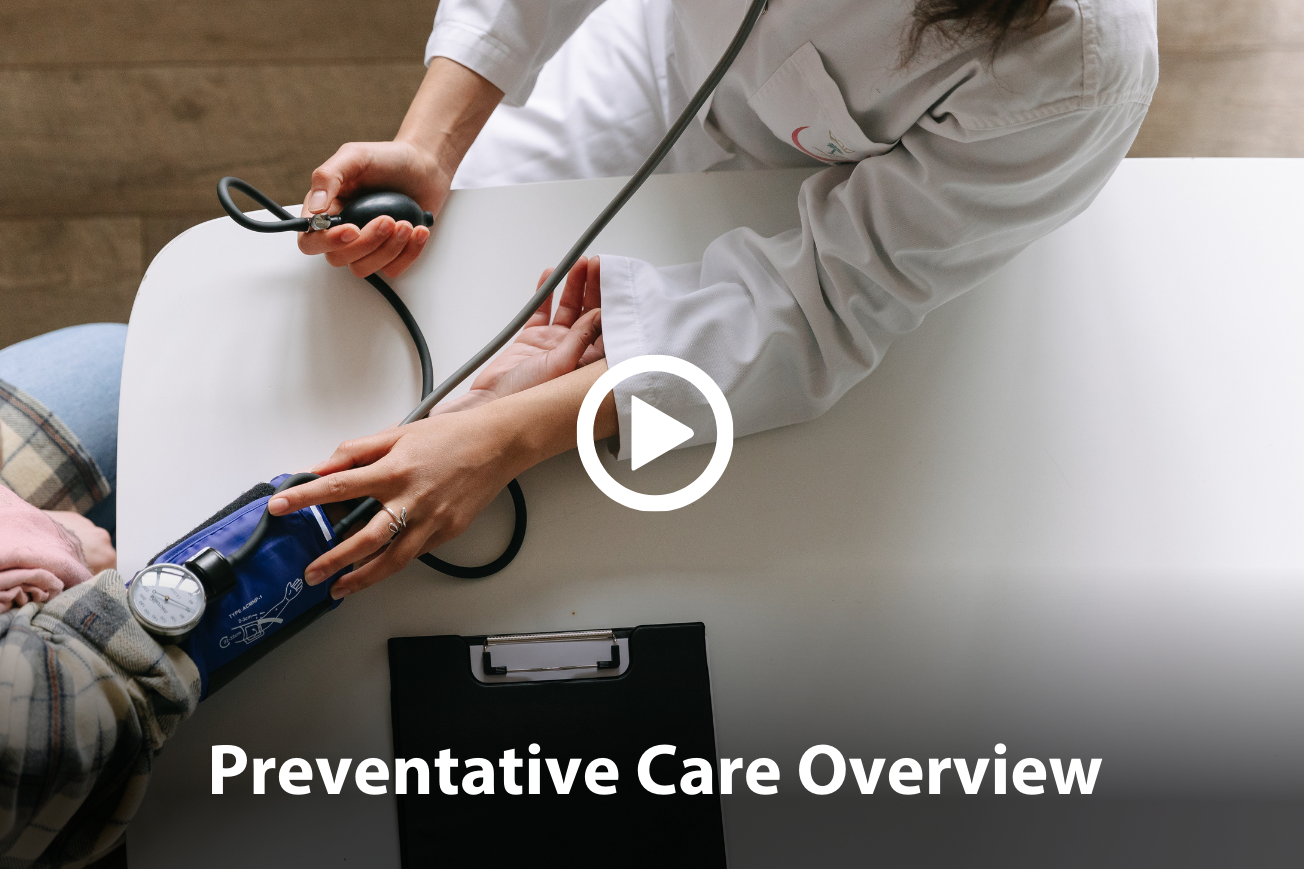
Covered Health Service: A service could be an office visit, test, prescription, or another medical treatment your health insurance covers. Before seeking care, check to make sure the service is covered.
Claim: The request for payment that's sent to your health insurance company after you receive covered care.
Copay: A fixed fee that you must pay for a covered service as outlined in your plan design, usually at the time you receive the service.
Plan Allowance: The set amount your plan will pay for a health service, even if your provider bills for more.
Deductible: The set amount you pay for a covered health service before your plan will begin to pay. Will be outlined within your plan design.
Coinsurance: The percentage of the cost of your covered health care services, that you must pay after you've met your deductible.
Out-of-Pocket Maximum: The most you'd pay for covered care within the plan period. If you hit this amount, your plan pays 100% after it is reached.
Premium: The monthly amount paid (by your employer, a combination of employer and employee or the employee only if voluntary)
In-Network Provider: A doctor, hospital, or other provider in the plan's network. Network providers accept the plan's payment in full. You pay less when you use an in-network provider. With the exception of care for emergent and urgent conditions, if the plan does not offer out of network coverage, you must seek an in–network provider for all covered services.
Out-of-Network Provider: Provider who does not have a contract with your health insurer to provide services to you at a discount. You will generally pay more to see an out-of-network provider. If you have an EPO or HMO plan, you are not covered for out-of-network services (except for emergency and urgent care services).
Formulary: A list of medications covered by your plan sorted by tier. Lower tiers usually mean lower copays.
Medical + Rx
Plan Details
- Base Plan: $5,000 Deductible
- Buy-Up Plan: $500 Deductible
- HSA Plan: Qualified Health Savings Account
Did you know?
- Preventive services are covered at 100% in-network, and copays and deductibles do not apply.
- You pay less out of pocket if you receive care from an in-network provider.
- You do not need a referral to see a specialist.
Download the myCigna app
Find care, check benefits and coverage, access member ID cards, view claims, and more.


Cigna Virtual Care
Cigna Healthcare has partnered with MDLIVE® to offer a comprehensive suite of convenient virtual care options - available by phone or video whenever it works for you.
- Primary Care | Preventive care, routine care and specialist referrals
- Behavioral Care | Talk therapy and psychiatry from the privacy of home
- Urgent Care | On-demand care for minor medical conditions
- Dermatology | Fast, customized care for skin, hair and nail conditions - no appointment required

Cigna Healthy Rewards

Rx Information
Cost-Saving Tips
- Ask About Generics: Generic medications are often just as effective as brand-name drugs and typically cost much less. Ask your doctor if a generic alternative is available.
- Use Home Delivery or Mail Order: Many pharmacy plans offer lower costs for a 90-day supply through mail order or home delivery services.
- Check for Discounts and Coupons: Manufacturer coupons, pharmacy savings programs, and prescription discount services may help reduce your out-of-pocket costs.

Medicare Services from NFP
Considering Medicare coverage?
NFP is proud to support you when it comes to Medicare and understanding your coverage options. As trusted advisors in the individual markets for over 20 years, our team is comprised of experienced and knowledgeable agents specializing in Medicare coverage. We offer independent and individualized consultations to help you to:
- Understand your coverage options
- Determine if you are eligible for subsidies to lower your healthcare costs
- Establish a timeline for applying for coverage
- Choose a plan that fits both your lifestyle and your budget
- Find coverage that allows you to access the doctors and hospitals you want most
- Enroll in the plan that works best for you
Best of all, there is never a fee for our services.

Health Savings Account
What is a Health Savings Account? A Health Savings Account (HSA) is a tax-advantaged savings account that you can use to pay for qualified medical expenses, such as copays and medications - now or later in life. Contributions to HSAs aren’t subject to federal income tax if used for medical expenses, and earnings in the account grow tax-free. You must be enrolled in a high-deductible health plan (HDHP) to qualify for an HSA. An HSA covers qualified out-of-pocket expenses for you, your spouse, and your dependents, even if they are not covered under an HDHP.
Do HSA funds expire? HSA funds don't expire; they will stay in your account and can be used for medical expenses even after you retire.
How much can I contribute? For 2026, the maximum amount you can contribute is $4,400 (individual) or $8,750 (family).

HSA funds can be used for many types of medical expenses, including deductibles, co-pays, prescriptions, dental and vision care, and over-the-counter medication and products. Examples include but are not limited to:
Healthcare Expenses
• Acupuncture
• Ambulance
• Artificial teeth
• Braces
• Chiropractic care
• Contact lenses and supplies
• Crutches
• Diagnostic tests and monitors (blood sugar, blood pressure, etc.)
• Eyeglasses (Rx and reading)
• Hearing aids and batteries
• Insulin
• Laboratory fees
• Laser eye surgery
• Medical alert bracelet
• Orthotic inserts
• Physical therapy
• Surgery (non-cosmetic)
• Vaccines
• Vision exam
• Walker, cane
• Wheelchair
Medicines/Personal Care (OTC)
• Acid controllers
• Allergy and sinus medicine
• Certain skin care products (treatments for acne, eczema, etc.)
• Cold/flu medicine
• Digestive/bowel aids
• Eye drops
• Hemorrhoid treatment
• Nasal sprays or drops
• Nicotine patches
• Pain relievers
• Sleep aids
• Sunscreen
Medical Supplies (OTC)
• Bandages, adhesive, or elastic
• Catheters
• Contact lens solution
• Cold packs/hot packs
• Denture adhesives
• First-aid supplies
• Menstrual care products
• Nursing supplies
• Orthopedic braces and supports
• Pregnancy tests
• Prenatal vitamins
• Thermometers
Flexible Spending Account
What is a Flexible Spending Account? A Flexible Spending Account (FSA) is a tax-advantaged savings account that you can use to pay for qualified medical, dental and vision expenses for yourself, your spouse, and dependents. Contributions to FSAs aren’t subject to federal income tax if used for eligible expenses. Unlike an HSA, you do not need to be enrolled in a high-deductible health plan (HDHP) to qualify for an FSA.
Do funds expire? Unspent FSA funds typically don't roll over, meaning any funds not used by the end of the plan year will be lost. However, your employer offers a carryover of $680 into the next plan year.
How much can I contribute? For 2026, the maximum amount you can contribute is $3,400.

FSA funds can be used for many types of medical expenses, including deductibles, co-pays, prescriptions, dental and vision care, and over-the-counter medication and products. Examples include but are not limited to:
Healthcare Expenses
• Acupuncture
• Ambulance
• Artificial teeth
• Braces
• Chiropractic care
• Contact lenses and supplies
• Crutches
• Diagnostic tests and monitors (blood sugar, blood pressure, etc.)
• Eyeglasses (Rx and reading)
• Hearing aids and batteries
• Insulin
• Laboratory fees
• Laser eye surgery
• Medical alert bracelet
• Orthotic inserts
• Physical therapy
• Surgery (non-cosmetic)
• Vaccines
• Vision exam
• Walker, cane
• Wheelchair
Medicines/Personal Care (OTC)
• Acid controllers
• Allergy and sinus medicine
• Certain skin care products (treatments for acne, eczema, etc.)
• Cold/flu medicine
• Digestive/bowel aids
• Eye drops
• Hemorrhoid treatment
• Nasal sprays or drops
• Nicotine patches
• Pain relievers
• Sleep aids
• Sunscreen
Medical Supplies (OTC)
• Bandages, adhesive, or elastic
• Catheters
• Contact lens solution
• Cold packs/hot packs
• Denture adhesives
• First-aid supplies
• Menstrual care products
• Nursing supplies
• Orthopedic braces and supports
• Pregnancy tests
• Prenatal vitamins
• Thermometers
Dependent Care FSA
What is a Dependent Care FSA? A Dependent Care Flexible Spending Account (DCFSA) is a tax-advantaged savings account that you can use to pay for qualified care expenses, such as daycare, before/after-school programs, or dependent adult care. Contributions to DCFSAs aren’t subject to federal income tax if used for eligible expenses.
Do funds expire? Unspent Dependent Care FSA funds do not roll over, meaning any funds not used by the end of the plan year will be lost.
How much can I contribute? For 2026, the maximum amount you can contribute is $7,500 (single or married filing jointly), or $3,750 (married filing separate).

Commuter Benefits
What are Commuter Benefits? Commuter benefits are optional benefits plans that allow employees to allocate pre-tax funds for eligible parking and transit expenses. You can enroll at any time during the year and choose to contribute to parking, transit, or both. However, transit contributions can only be used for eligible transit expenses, and parking contributions can only be used for eligible parking expenses.
How does it work? After you enroll in your company’s commuter benefits, you will receive a Rippling Flex benefits card, unless you already have one for other flex benefits. Rippling provides a single card for all flex benefits, including FSA, HSA, and commuter benefits. Therefore, if you are enrolled in an FSA or HSA in addition to commuter benefits, you will not receive separate cards for each benefit.
How much can I contribute? The IRS sets monthly contribution limits for pre-tax public transportation and pre-tax parking benefits. You can contribute above these levels if you want, however, any additional amounts will be considered a post-tax deduction. For 2026, you can contribute up to $340 for parking and $340 for transit. These amounts are not transferable between the two commuter benefit types.
Dental
Plan Details
- Dental Base Plan (Cigna)
- Dental Buy-Up Plan (Guardian)
Did you know?
Oral health is more than just healthy teeth. Oral refers to the mouth, which includes the teeth, gums, and supporting tissues. Most oral health conditions are largely preventable and can be treated in their early stages.


Vision
Plan Details
- Full Feature Designer B (Network: Davis)
Did you know?
Eyes can give doctors a clear picture of overall wellness. A comprehensive eye exam can detect early signs of serious health problems, such as:
- Diabetes
- Heart disease
- High blood pressure
- High cholesterol
- Glaucoma and cataracts


EAP
Our Employee Assistance Program (EAP) provides you and your family members with confidential and personalized support for a variety and personal and professional concerns. Connect with a licensed counselor or other specialist in person, over the phone, or virtually about:
- Family, marital, and other relationship issues
- Childcare, elder care, and other personal responsibilities
- Work-related and career challenges
- Stress, anxiety, and depression
- Making healthy lifestyle changes

Life and AD&D
Life Insurance provides financial protection for your family in the event of your death, while Accidental Death and Dismemberment (AD&D) Insurance may provide additional benefits if death or certain serious injuries result from a covered accident. This coverage can help your loved ones manage expenses and maintain financial stability when they need it most.


Short-Term Disability
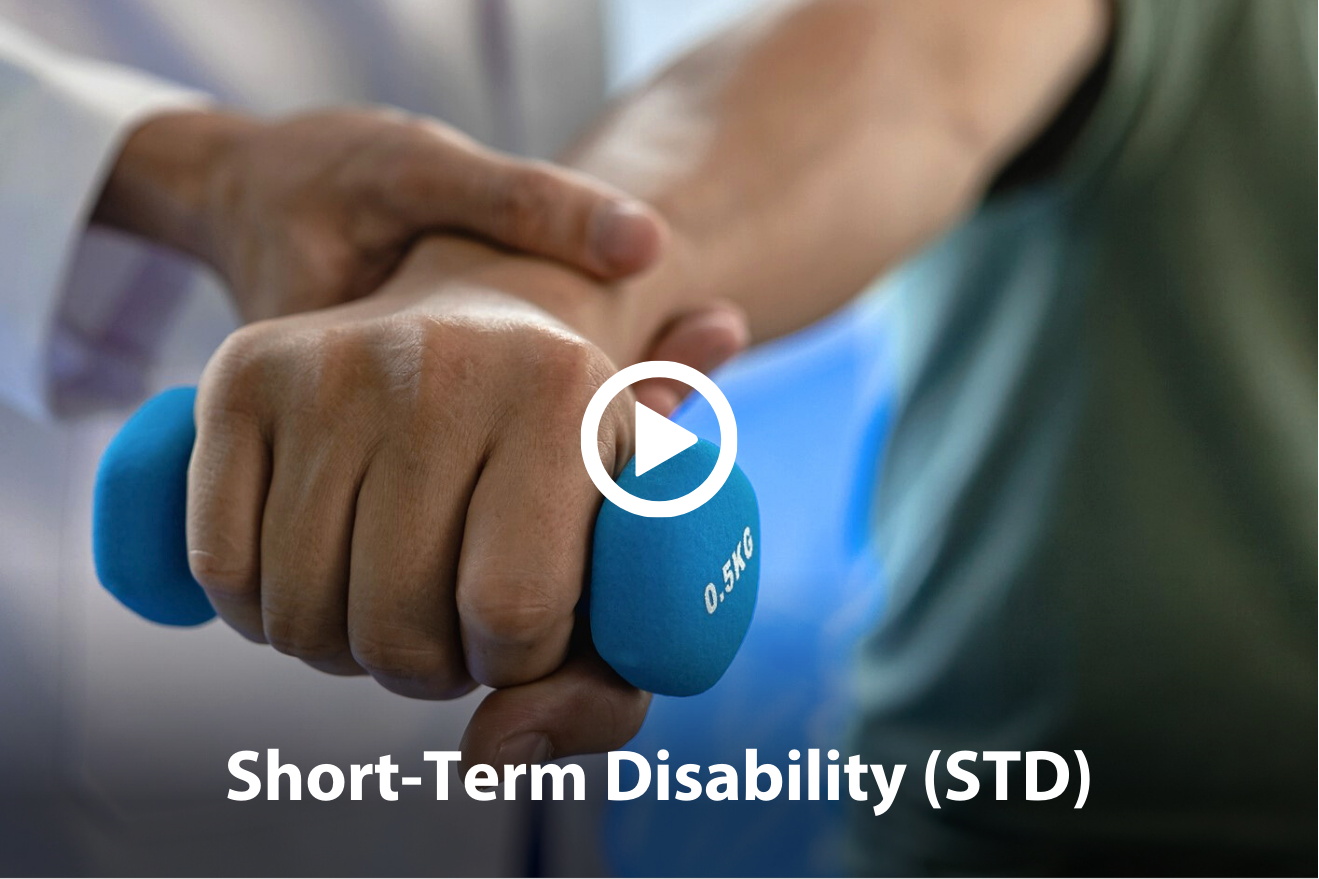
Everyday illnesses or injuries can interfere with your ability to work. Even a few weeks away from work can make it difficult to manage household costs.
This Short-Term Disability coverage provides financial protection for you by paying a portion of your income, so you can focus on getting better and worry less about keeping up with your bills.
Long-Term Disability
Cyber Security
Everyday things like online shopping, banking, and even browsing can expose personal information to cybercriminals. Norton LifeLock provides comprehensive protection to keep your personal and financial information safe - with features like Identity Theft Protection, Device Security, and Fraud Prevention. Learn more:
- Norton.com/EssentialPremPremierPlus
- Norton LifeLock Benefit Solutions Dashboard Overview
- Activating Your Account
- Introducing Genie Scam Protection Pro

Supplemental Coverage
Aflac provides supplemental coverage to help pay out-of-pocket expenses that your medical insurance may not cover.
- Accident Insurance
- Critical Illness Insurance
- Hospital Indemnity Insurance
To learn more or enroll, contact your Aflac representative:
Travis Ling
Cell: (814) 241-6657
Office: (412) 323-8855
Contacts
You have dedicated agents to support you throughout the year. Contact us for help with:
- Understanding and making the most of your benefits
- Questions about eligibility or enrollment
- Resolving claims or billing issues

Erica Jones
Account Manager
erica.jones@nfp.com
724-940-9466

John Mueller
Consultant
john.mueller@nfp.com
724-940-9406